
A shoring service Sydney is the process of supporting excavation walls, nearby ground, and sometimes adjacent structures so work can be carried out safely. In Sydney, it is often used where space is tight, soil is unstable, or digging is close to buildings, driveways, or services.
Read on to understand the various types of excavation shoring Sydney, why it is needed, and some of the methods used for common shoring solutions.
What is a shoring service?
A shoring service is a temporary ground support solution used during excavation work. It helps prevent soil movement and reduces the risk of trench or excavation collapse.
In simple terms, shoring holds the ground in place while digging is underway. It is a safety measure, but it also helps keep the project controlled and efficient.
What does shoring do on site?
- Supports excavation walls.
- Reduces collapse risk.
- Protects workers and nearby property.
- Helps excavation continue more safely and stably.
Why is shoring needed on Sydney sites?
Shoring is needed where excavation work could affect safety, stability, or access. Sydney sites often have limited room, nearby buildings, underground services, and variable soil conditions, so support systems are often necessary.
Safe Work Australia notes that excavation work can involve risks such as ground collapse, falling objects, underground services, and unstable adjoining structures. Its code of practice also says work in trenches deeper than 1.5 metres is high-risk construction work and may require a Safe Work Method Statement.
Common site conditions that increase risk
- Deep trenches or excavations.
- Loose or unstable soils.
- Groundwater or water ingress.
- Work near existing buildings or retaining walls.
- Underground gas, water, sewer, power, or communications lines.
What projects need shoring?
Shoring is common on residential, commercial, and infrastructure projects where safe ground support is needed.
Typical projects include
- Basement excavations.
- Retaining wall works.
- Trench shoring NSW, for services.
- Site preparation before building.
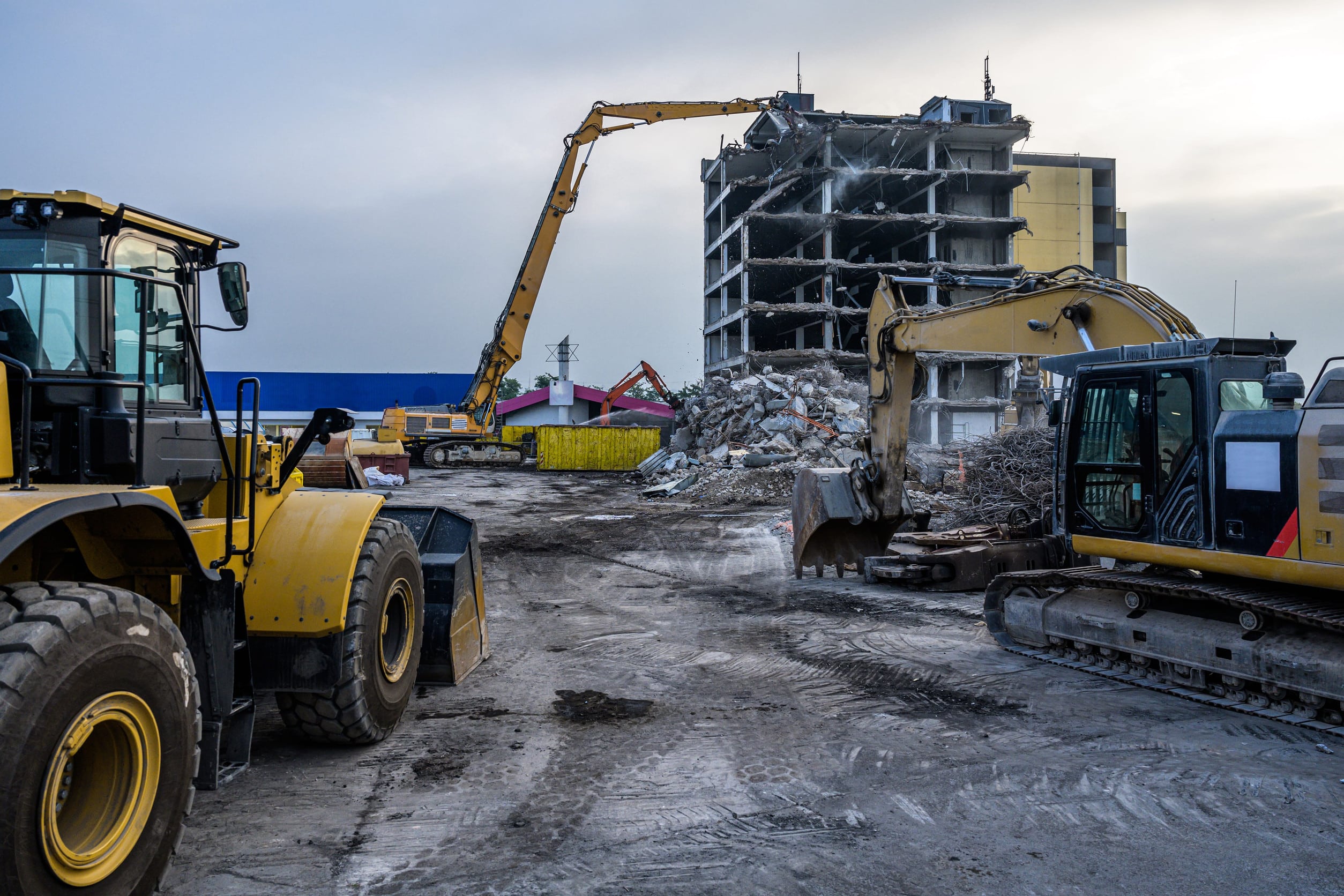
- Demolition support and structural excavation.
- Civil works requiring stable excavation edges.
What shoring methods are commonly used?
The approach depends on factors such as soil depth, access issues, and the type of work being done. Safe Work Australia recognises shoring as an engineering control used to reduce the risk of excavation collapse.
Common methods include
- Shoring boxes and shields, used during trench shoring NSW, to support trench sides.
- Hydraulic shoring, which uses pressurised systems to hold excavation walls.
- Sheet piling, which creates a retaining barrier in the ground.
- Bracing systems, which help stabilise openings and adjacent structures.
- Benching and battering where the excavation design and space allow.
What shoring services are offered?
A shoring service usually covers more than the physical installation of support. It often includes planning, safety review, delivery, installation, and removal once the excavation work is complete.
What a complete service usually includes
- Site assessment.
- Ground and access review.
- Identification of underground services.
- Selection of the shoring system.
- Installation by competent workers.
- Ongoing inspection and adjustments.
- Removal and site handover.
How does the shoring process work?
The process should be simple, controlled, and documented. A good shoring service follows a clear step-by-step method before any digging begins.
- Inspect the site and understand the ground conditions.
- Check nearby structures, services, and access limits.
- Prepare the risk controls and Safe Work Method Statement where required.
- Install the correct shoring system.
- Monitor the excavation and keep the work area secure.
- Remove the shoring once the work is complete and the site is safe to close up.
Why planning matters
Planning helps reduce delays, avoid service disruptions, and keep workers protected. Safe Work Australia also says control measures must be maintained and reviewed if site conditions change.
What safety rules apply to shoring work?
Shoring work must follow excavation safety requirements. Safe Work Australia says excavation risks should be identified before work starts, and controls should be based on the hierarchy of control, with engineering controls, such as shoring, used to minimise the risk of collapse.
Safety points to check
- The location of any underground services.
- Secure trenches and excavation edges from unauthorised access.
- Use a SWMS for high-risk excavation work.
- Keep spoil, plant, and heavy loads away from the zone of influence unless the system is designed for it.
- Prepare an emergency plan for collapse, flooding, or gas leaks.
How do you choose the right shoring contractor?
The right contractor should understand soil, access, safety, and local site conditions. They should also explain the process in plain language and provide a clear plan before work starts.
Look for these signs
- Strong experience in excavation and civil works.
- Knowledge of Sydney site conditions.
- Clear communication with builders, owners, and site managers.
- Proper safety systems and work method planning.
- Capability to handle residential and commercial jobs.
Frequently asked questions?
Is shoring the same as trench support?
Yes. Shoring is one form of trench and excavation support used to prevent collapse and protect people on site.
When is shoring required?
If there is a potential collapse risk during planned excavations, especially in unstable ground, in deeper trenches, or in areas close to structures and services.
Can shoring be used on residential sites?
Yes. It is commonly used on residential projects, including basement works, service trenches, and sites with limited access.
How can we help with shoring in Sydney?
At Rapid Civil & Excavation. we offer shoring solutions for excavation shoring Sydney, civil works, and site support needs.
If you need support for a trench, excavation, or site preparation project, contact us today. We can help assess the job and recommend the right shoring solution for the on-site conditions.




Leave A Comment