

Removing a building safely starts with choosing the right machinery, tools and demolition method for the site.
This guide explains the commonly used demolition equipment Sydney, how contractors select it, what happens during the process and which approach suits different Sydney properties.
You will learn how excavators, hydraulic breakers, grapples, pulverisers, shears, loaders, trucks and hand tools work together during demolition services.
Which machines are used for building demolition?
Different machines perform different tasks during a demolition project. Building demolition methods Sydney vary, depending on the building, site conditions, and available access.
Excavators provide the main demolition power
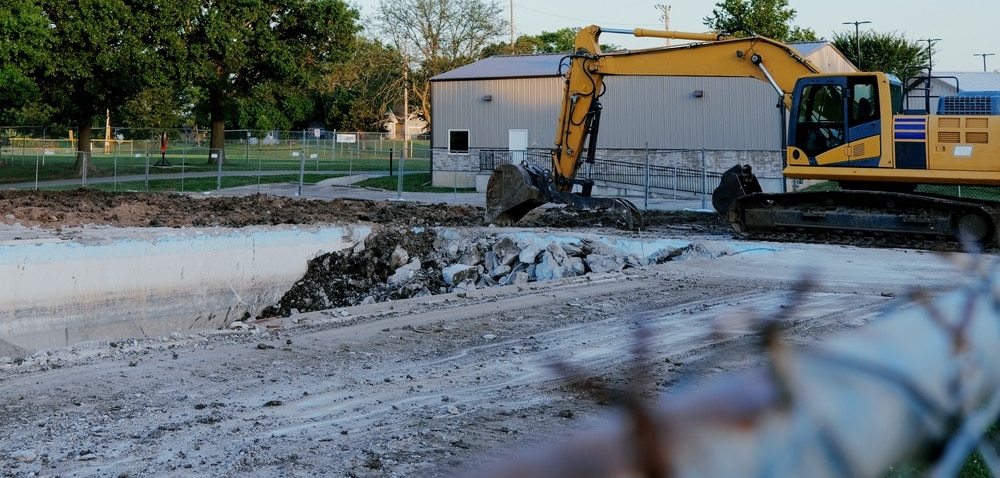
Excavators are commonly used to dismantle houses, commercial buildings, concrete structures and industrial assets. Their hydraulic arms can reach walls, roofs, slabs and footings while keeping the operator inside a protected cabin.
Smaller excavators suit tight-access sites and detailed work. Larger excavators provide greater reach and power for substantial residential, commercial and industrial demolition.
Skid steers and loaders move demolition materials
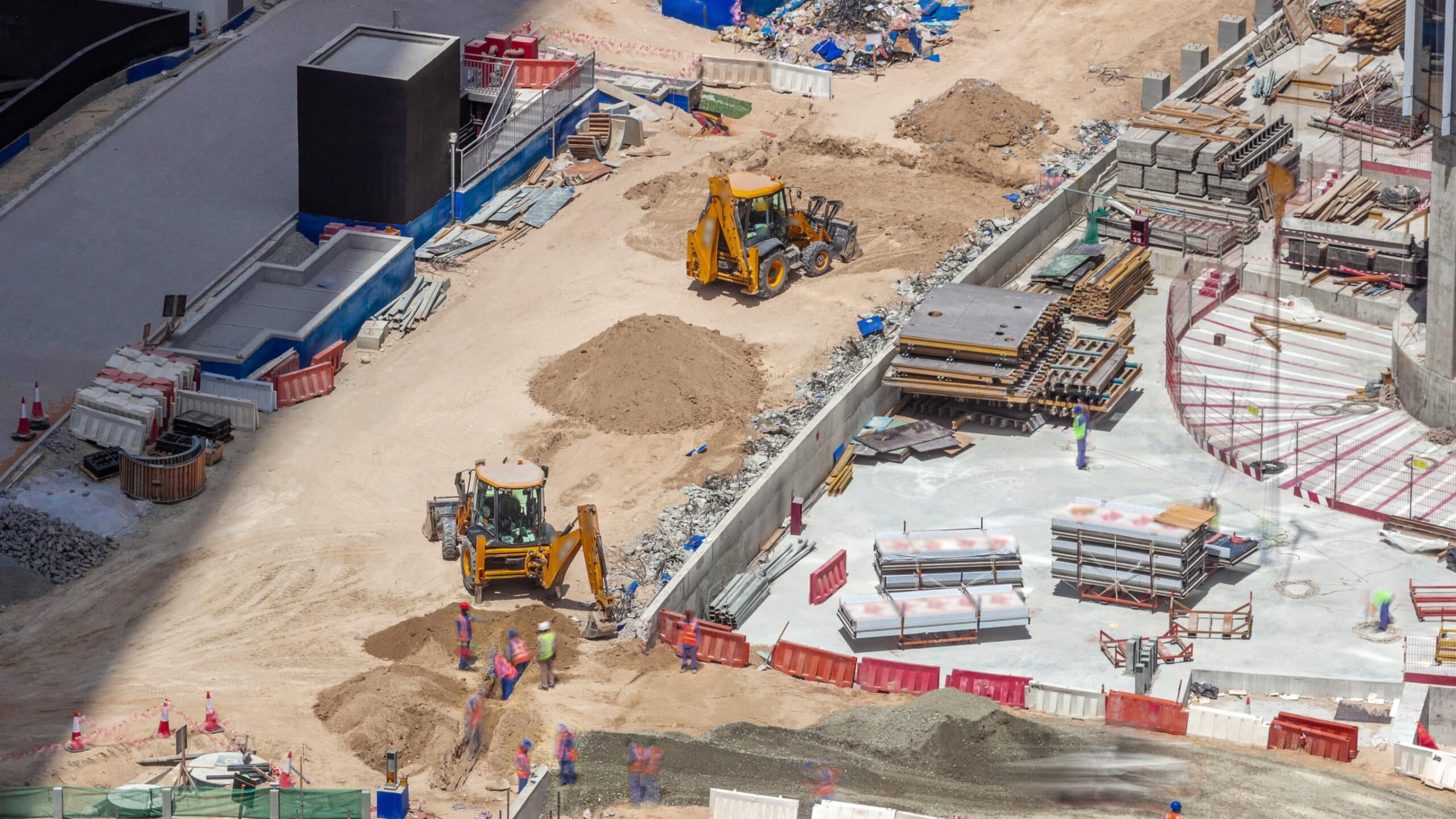
Skid steers, track loaders and wheel loaders move broken concrete, timber, brick, soil and other materials around the site. They can load trucks, clear stockpiles and prepare the area for the next stage of work.
Tipper trucks remove waste from the site
Tipper trucks transport demolition materials to approved recycling, recovery or disposal facilities. Their capacity and number should match the excavator and the expected volume of material.
Which attachments are used for demolition?
Demolition attachments are fitted to excavators and other machines to complete specific tasks. Each attachment produces a different result and should be selected according to the material being removed.
Hydraulic breakers
A hydraulic breaker, sometimes called a demolition hammer, uses repeated impact to break concrete, brickwork, masonry, rock, slabs and footings. It is useful when a structure cannot be removed by controlled pulling or lifting alone.
Grapples
A grapple is a gripping attachment used to handle demolition debris. It can pick up timber, roofing materials, cladding, brick, metal and other items more selectively than a standard bucket.
Pulverisers
A pulveriser crushes concrete into smaller pieces and helps separate reinforcing steel. It is particularly useful on reinforced slabs, foundations, retaining structures and larger concrete elements.
The processed materials may then be separated into concrete, steel and mixed waste streams. This can support more efficient recycling and reduce the volume of material sent for disposal.
Shears
Hydraulic shears cut steel beams, columns, frames and other metal sections into manageable lengths. They are commonly used during commercial and industrial demolition.
Concrete saws
Concrete saws, wall saws and core drills are used where a precise cut or opening is required. They are common during internal demolition, commercial strip-outs and controlled removal of selected sections.
Hand tools
Sledgehammers, crowbars, jackhammers, breakers and other hand tools are useful for detailed work and restricted areas. Manual demolition may be selected where heavy machinery cannot enter or where a section must be removed with close control.
How do demolition methods change by project?
The equipment and method should match the structure, the work area and the final site requirements. A suburban house, an occupied retail space and an industrial plant will not be demolished in the same way.
Residential demolition uses adaptable equipment
Homes, duplexes and apartments may contain timber, brick, concrete, metal, tiles and other materials. Excavators and attachments are selected according to the structure and available access.
Commercial demolition requires controlled planning
Shops, offices, warehouses and retail fit-outs often sit close to roads, neighbouring premises, services and active business areas. Demolition may be completed in stages to keep unaffected areas protected and reduce disruption.
Industrial demolition uses heavy-duty equipment
Factories, workshops and plants may contain large structural frames, thick concrete, heavy machinery and complex services. Industrial demolition requires detailed planning and equipment capable of handling substantial materials safely.
Internal demolition focuses on precision
Internal demolition and strip-outs remove selected fixtures, fittings, walls, floors, ceilings and services while protecting the remaining structure. Compact equipment and hand tools are often more suitable than large excavators.
Pool and outbuilding removal requires excavation and clean-up
Pool, garage and shed removal usually involves dismantling the structure, breaking concrete where needed, removing waste and preparing the area for its next use. Backfilling may be required depending on the project and site plan.
A complete pool removal service should address the structure, surrounding materials, waste, ground condition and final site presentation. Partial pool removal is not included in this service.
Site clearance prepares land for the next stage
Site clearance is the process of removing unwanted structures, debris, vegetation and other obstructions so land is ready for construction, development or landscaping.
Frequently asked questions about demolition equipment
What is the most common machine used to demolish a house?
An excavator is the most common primary machine for house demolition. The size depends on access, the structure, ground conditions and the attachments required.
What is a hydraulic breaker used for?
A hydraulic breaker breaks concrete, masonry, slabs, footings and other hard materials into manageable pieces. It is fitted to an excavator or compatible machine.
What equipment is used for commercial demolition?
Commercial demolition may use excavators, high-reach equipment, hydraulic shears, pulverisers, grapples, loaders and tipper trucks. The final selection depends on the building and whether the work must be completed in stages.
How is demolition waste removed?
Demolition waste is collected, sorted and loaded into suitable trucks or bins. Materials may be taken to recycling or approved disposal facilities, depending on their type and condition.
Can demolition equipment work in a tight-access area?
Yes, compact excavators, skid steers and hand tools can be used where access is restricted. A site inspection is needed to confirm what equipment can enter and operate safely.
How can Rapid Civil & Excavation help with demolition in Sydney?
At Rapid Civil & Excavation, we are known for providing practical, carefully planned demolition services across Sydney and NSW.
Read our demolition services page to understand our building demolition methods Sydney, and contact us today for straightforward advice and a free demolition quote.




Leave A Comment