
Almost every construction, landscaping, or civil project in Sydney has to start with some form of earthworks services. Before a slab is poured, a retaining wall is built, or a drainage system is installed, the ground needs to be prepared.
This guide covers what Sydney earthworks actually involves, the services you can expect and how the process runs from start to finish.

What Are Earthworks?
Earthworks refers to any work that involves moving, reshaping, or removing soil, rock, or fill material on a site.
The Basics
- Earthworks includes excavation, grading, compaction, trenching, cut and fill, and site preparation
- The scale can vary tremendously, from a small residential block to a large commercial or infrastructure project
- The goal is always to shape the ground so that what is built on top of it is safe, stable, and functional
Why Earthworks Matter for Your Project
Skipping proper site preparation is one of the most common and costly mistakes in construction.
- Correct earthworks help ensure proper drainage and water management across the site
- A well-prepared site meets council and engineering requirements from the start
Common Earthworks Services in Sydney
Earthworks is a collection of services that work together to prepare a site for its intended purpose. Here is a breakdown of what is typically involved.
Site Clearing and Preparation
Before any digging begins, the site needs to be cleared and assessed.
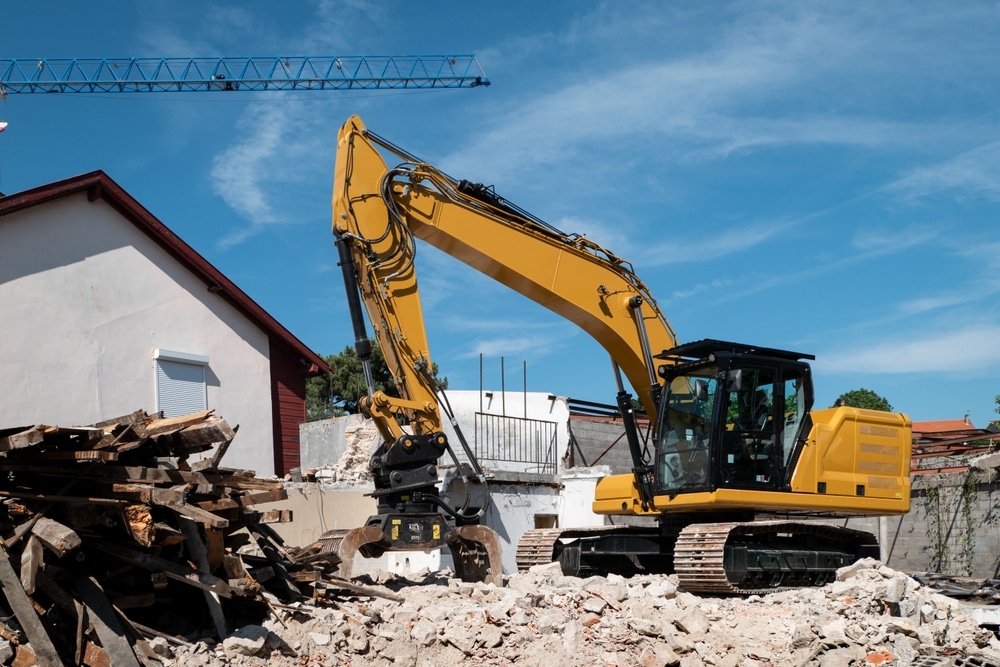
- Debris and vegetation, including tree stumps, and any existing structures are removed leaving a cleared site
- We review the site, considering soil conditions, access constraints, and potential hazards
- This stage enables planning and safe site operations
Cut and Fill
Cut and fill is one of the most widely used techniques in Sydney earthworks, particularly on sloping or uneven blocks.
- Cutting involves excavating higher areas of a site to lower them
- The material removed is then used to fill lower areas, bringing the site to a consistent level
- This approach minimises the need for imported fill material, which reduces cost and waste
Bulk Excavation
The large-scale removal of earth from a site, typically for basements, underground car parks, footings, or major infrastructure.
- Material is excavated in volume and either stockpiled, reused on site, or removed for disposal
- In Sydney, bulk excavation often encounters sandstone rock or expansive clay soils, which affect both method and cost
Trenching and Service Installation
Trenching is the process of digging narrow, precise excavations to install underground services.
- Used for stormwater drainage, sewer lines, water supply, electrical conduits, and telecommunications
- Depth and alignment must meet the specifications of the relevant service authority
- Trenches are backfilled and compacted after installation to prevent settlement
Compaction and Fill
Once material has been placed or redistributed across a site, it needs to be compacted to achieve the required load-bearing capacity.
- Engineered fill, select fill, or clean fill is used depending on the structural requirements
- Compaction is done in layers using roller or plate compactor equipment
- Poorly compacted fill can lead to settlement, causing cracking, drainage problems, and structural failure over time.
Retaining Walls and Embankments
On sloped or terraced sites, retaining structures are often part of the earthworks scope.
- Retaining walls hold back soil and prevent movement on cut faces or fill batters
- They are common in Sydney’s hilly suburbs and on rural NSW properties with significant grade changes
- The design of retaining walls should be coordinated with the earthworks plan from the start to ensure structural compatibility
The Earthworks Process: From Planning to Completion
A well-run earthworks project follows a clear sequence. Each stage builds on the last, and skipping steps, even under time pressure, tends to create problems that are harder to resolve later.
Site Assessment and Planning
Every project starts with a site inspection.
- We assess existing conditions: topography, soil type, access, and any constraints
- Local council requirements, development approval conditions, and any heritage or environmental overlays are reviewed at this stage
For projects, this planning phase is critical. Local soil conditions vary significantly across Sydney and NSW, and council requirements differ between LGAs.
Design and Scope of Work
Once the site is understood, the project scope is developed in detail.
- Cut and fill volumes are calculated to minimise waste and imported material
- Drainage design is integrated into the earthworks plan
- A timeline and budget are established based on realistic site conditions, not best-case assumptions
This is also the stage where engineers, certifiers, and other project stakeholders are brought into the conversation.
Mobilisation and Site Setup
Before work begins, the site is prepared for safe and efficient operations.
- Equipment is selected based on site conditions, access, and the volume of work required
- Safety fencing, signage, and traffic management plans are put in place
- Dial Before You Dig checks are completed to identify underground services
- Neighbours and relevant authorities are notified where required under local regulations
Excavation and Earthmoving
This is where the physical work happens. A staged approach keeps the project running efficiently and safely.
- Material is moved in a logical sequence to maintain site stability throughout
- Spoil (removed material) is managed on-site where possible or disposed of legally at approved facilities
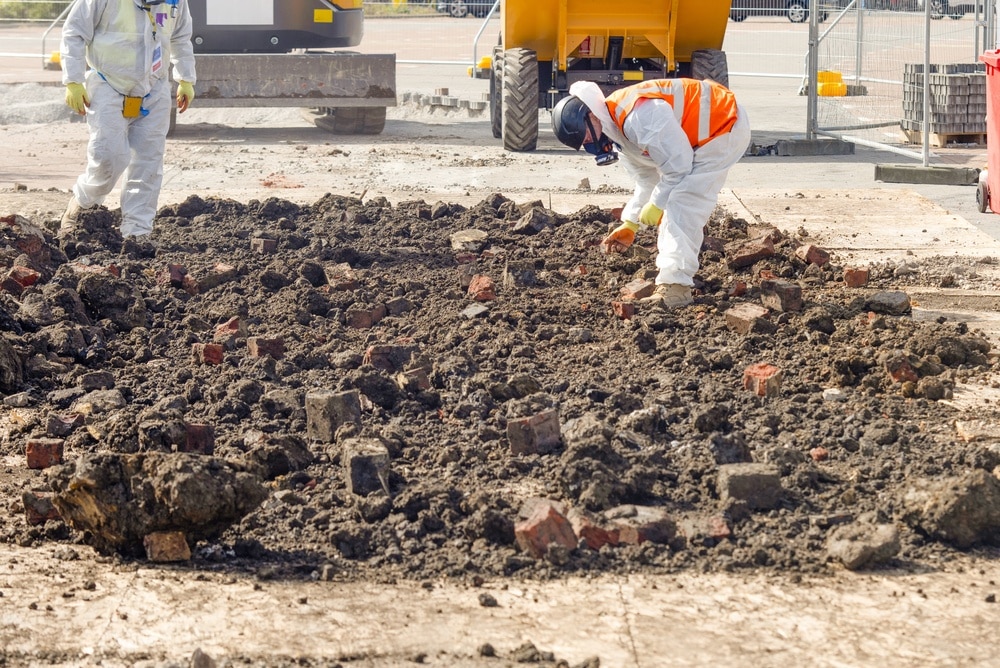
- The site is monitored throughout for unexpected conditions such as rock, groundwater, or contaminated material
- Any unexpected findings are documented and reported before work continues
Compaction, Finishing, and Handover
The final stage brings the site to its finished condition and prepares it for the next phase of construction.
- Compaction testing is completed by a geotechnical engineer to confirm compliance with the project specification
- Final grades are checked against the design plan
- Sediment and erosion controls are removed once the site is stabilised
- Documentation, including compaction test results, survey data, and any variations, is provided for review
Start Your Sydney Earthworks Project on the Right Foot
At Rapid Civil & Excavation, we are proud of our reputation as the locals’ choice for NSW earthworks. Our team brings hands-on experience across the full range of earthworks scopes, from residential site preparation and cut-and-fill to bulk excavation and civil construction.
If you are planning an earthworks project in Sydney or across NSW, get in touch with the team at Rapid Civil & Excavation for an obligation-free consultation and quote.
Visit the earthworks services page to find out more:
Earthworks Services, Rapid Civil & Excavation


Leave A Comment