
Any successful construction, development, or landscaping project in Sydney must start with excavation.
Professional excavation requires skilled operators, appropriate machinery, techniques, and planning to ensure safe, efficient results.
In this article, we cover common reasons for excavation services Sydney. We explain the different types of work, and we guide you through a complete professional excavation project.

What Are Excavation Services?
Excavation is the process of moving rock, earth, and other materials from a site to make way for landscaping or new construction.
A typical project begins with a ground and site assessment and ends with final grading.
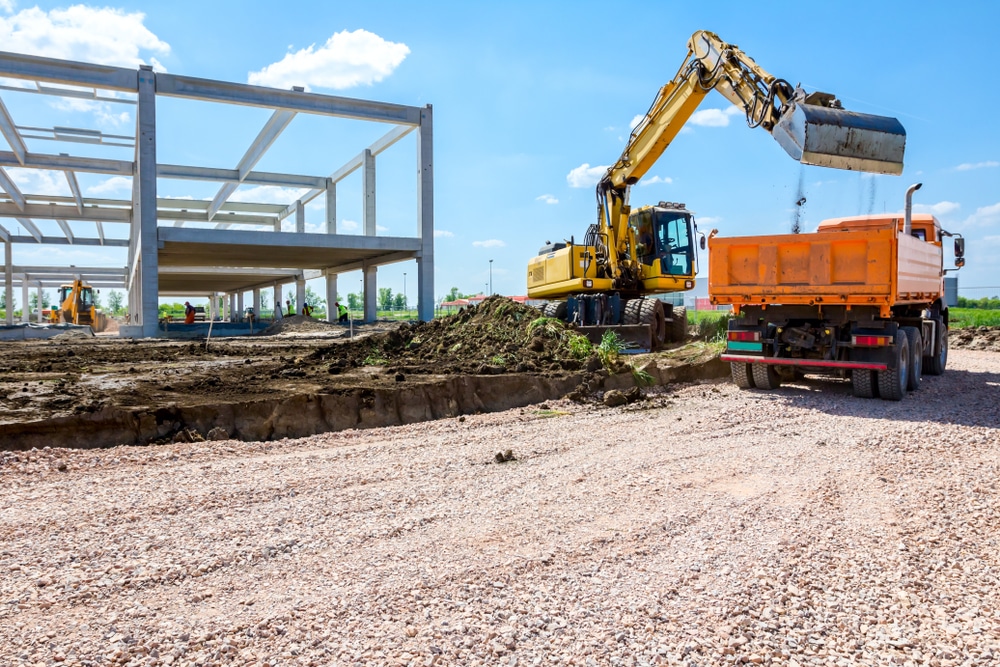
Excavation work often uses heavy machines such as bulldozers and excavators.
Common Reasons for Excavation
Excavation projects differ between residential and commercial projects.
Some common excavation work:
- Foundations and structural support for new buildings
- The installation of concrete and fibreglass Swimming pools
- Construction of underground spaces, such as garages or basements
- Drainage and stormwater management systems
- Trenching for utilities and services, like water, gas, and electricity
- Road and driveway construction
- Site clearance after a demolition project
Types of Excavation Services
From simple topsoil removal to rock breaking, different projects require their own excavation techniques and approaches.
Bulk Excavation
The removal of large quantities of earth to leave a level base, often for large-scale construction projects.
- Most common for commercial and industrial development
- The removal of rock and soil over large areas
- Heavy machinery, like excavators and bulldozers are often needed
Detailed Excavation
Precision work, where accuracy is essential.
- Work close to existing structures or utilities
- Smaller equipment and skilled operators. Often requires more manual work.
- Used for footings and foundations
- Reduces any risk of damage to nearby areas
Trenching
Trenching leaves narrow, deep excavations, commonly required for underground utilities and drainage systems.
- The creation of channels for pipes and cables
- Depths depend on the utility requirements
- The trenches normally need shoring and safety measures, especially for deeper trenches
Rock Excavation
Common in Sydney areas with sandstone bedrock, rock excavation requires specialised techniques and equipment.
- The removal of very hard material and solid rock
- The use of rock breakers, hydraulic hammers or controlled techniques
- Far more time-consuming than soil excavation
Cut and Fill
Cut-and-fill involves removing soil from high areas to fill low areas, creating a level site.
- Soil is redistributed across the site, leaving the ground level
- A cost-effective method that saves on the price of material by reusing the excavated earth
Topsoil Stripping
Valuable, nutrient-rich soil is removed and saved for reuse.
- Earth is used for later landscaping
- Normally, the top 15-30cm is removed
- This process is invaluable for sites with future garden areas planned
The Excavation Process
A professional excavation team will have a well-established approach to ensure safety, efficiency, and compliance with local authority regulations.
Site Assessment and Planning
A site assessment helps identify challenges, including soil conditions, existing utilities, site access issues, and environmental considerations.
- The site is measured as part of the initial site inspection
- The soil is examined and tested at different depths
- Underground services and utilities are noted and may be mapped or labelled
- Site access for machinery and trucks is assessed
- A project plan is developed, and a quote is prepared for the landowner
Permits and Approvals
To ensure compliance with applicable regulations, excavations in Sydney require multiple approvals and permits. Experienced, local contractors will help you through this process.
- Typically, a Development application (DA) or complying development certificate (CDCP) is needed before work can start
- The project may require local council construction certificates
- Tree removal permits (if applicable) and possibly dewatering permits for groundwater management
- Road opening permits for work affecting public areas
- Dewatering permits for groundwater management
Utility Location and Protection
Locating underground services (water, gas, electricity, telecommunications) is important for site safety and to prevent service disruptions.
- Detection equipment is used for professional utility location
- The utility positions are marked
- Relevant utility providers are advised before work starts
Site Preparation
- Once permits are granted, the site is prepared.
- Trees and other vegetation are removed
- Fences, safety barriers and signs are put up around the worksite
- Safe, convenient access points are established for workers and equipment
- Temporary facilities (like toilets, washrooms, and even a kitchen area) may be set up for the comfort of the workers
Excavation Execution
Experienced, skilled operators operate machinery to remove material in accordance with requirements.
- Engineering specifications are checked and followed
- Excavation depth and levels are monitored throughout this phase of the project
- Shoring and benching help ensure the stability of the excavation
- Regular safety checks will be conducted
Material Management and Disposal
Excavated material is categorised and may be reused or disposed of. Recycling can help reduce project costs.
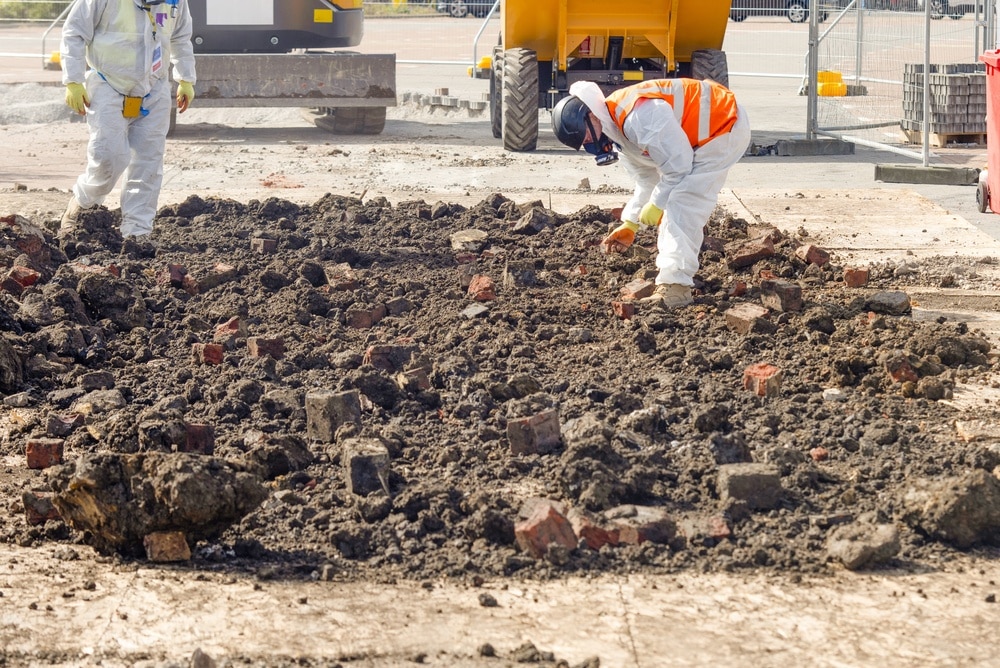
- Soil is tested as it is removed
- Reusable material is separated and, ideally, stockpiled on site
- Trucks transport material for disposal or recycling
- Waste-tracking documentation is maintained
Grading and Final Inspection
The area will now be graded and compacted, and an inspection will ensure the work meets requirements before construction can begin.
- Precision grading ensures the site matches engineering specifications
- Compaction testing is undertaken for structural areas
- Correct drainage must be verified
- A final survey and sign-off confirms the work is completed as required
Get Expert Sydney Excavation Services
For your next excavation project, get the trusted, efficient contractors with years of local experience and competitive prices. At Rapid Civil & Excavation, we are renowned Sydney excavation specialists, committed to safety, quality and customer satisfaction.
We handle excavation projects of all sizes across the city, and we understand local conditions, regulations, and requirements.
Contact us today to arrange a site visit and receive your detailed, fixed-price quote.


Leave A Comment